
Meet ARIA’s Country Manager for the Democratic Republic of Congo (DRC)
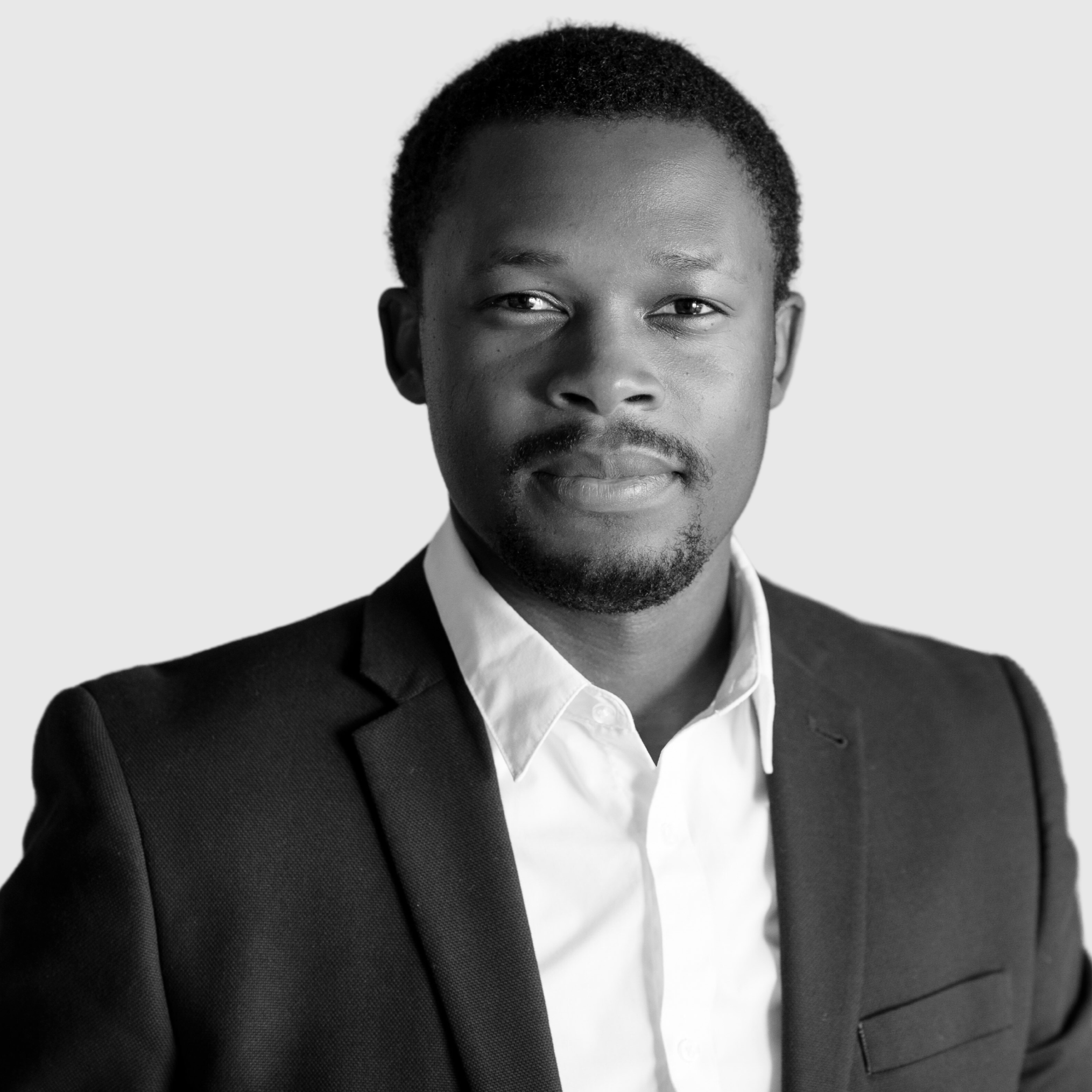
Jean Kabese, ARIA’s Country Manager for the DRC, began to understand investment when he was growing up in Matadi, a Congolese town organised almost entirely around a single port.
"Because the town had one single source of revenue, you could easily feel how the town was affected, either positively or negatively, by how much trade you actually had in the port," he says.
"That's where I got a great sense of the power of capital, of investment, and how it could actually affect people's lives. And I thought, that's something I would like to find out more about."
He left the DRC at 17. After finishing his studies, his career began in private equity in Johannesburg, working on investments across African markets with a focus on agriculture and energy. In 2021, he made the move to investment advisory and transaction facilitation in the DRC, working with businesses looking to raise capital, and with the investors and development finance institutions looking for opportunities.
"That experience gave me a good perspective from both sides of the table," he says. "You understand what investors need to deploy capital, but also the challenges local businesses face in becoming investment ready and accessing that capital."
The missing middle
That dual perspective is, according to Jean, precisely the problem ARIA exists to address.
"In a market like the DRC, there is certainly no shortage of investment opportunities. And there's also capital available from investors who genuinely want to invest in the country. But there's often a gap between the two."
On one side sits a business with strong fundamentals that isn't yet presenting itself in a way an international investor can properly assess. On the other, an investor interested in the DRC but without the local presence or market knowledge to identify and develop opportunities.
"ARIA sits in that gap. We're on the ground, we identify promising businesses, and we work with them over time."
That work means helping companies assemble the right information, identifying investment readiness gaps and, where necessary, providing technical assistance to close them. "Rather than simply introducing a company to an investor and hoping the transaction closes," Jean says.
The result, he argues, is that ARIA is "gradually reducing the distance between investors and opportunities in the DRC, and helping turn opportunities that might otherwise be invisible or overlooked into credible investment transactions."
One example stands out for him: ARIA's support for British International Investment’s (BII) commitment to Rawbank, one of the largest financial institutions in the DRC, which contributed to a $25 million facility signed in March 2026.
"What made that particularly meaningful was that it was BII's first financial institution investment in the DRC. It demonstrated that an international DFI could successfully identify, assess and ultimately deploy capital in the Congolese banking sector." And financing a local bank, he notes, has a ripple effect, as more capital then reaches businesses across the wider economy.
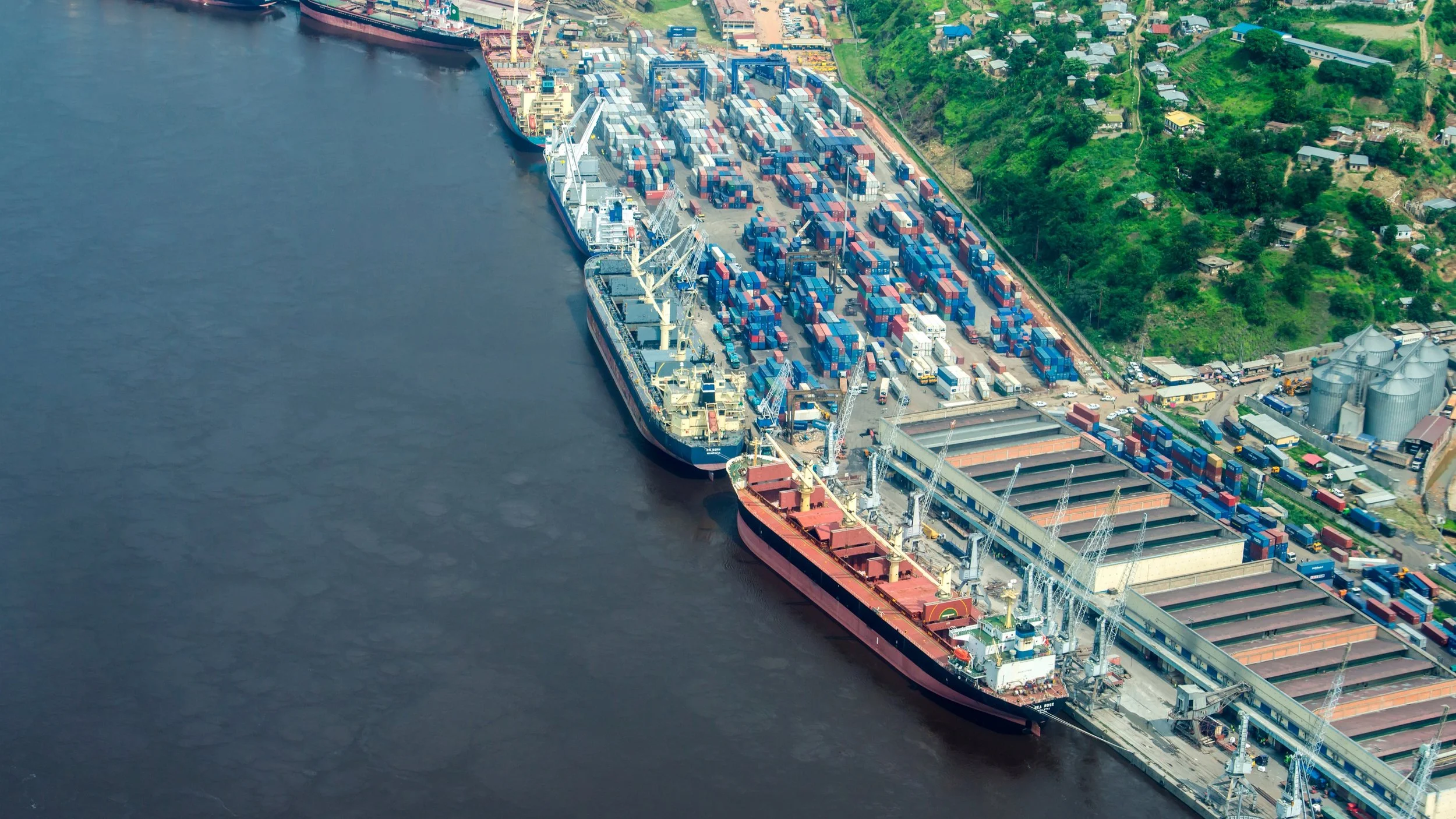
Matadi, the port town in the DRC, where Jean grew up
"Risk is not uniform"
When discussing what investors most often get wrong about the DRC, Jean suggests it’s the assumption that risk and opportunity are mutually exclusive.
"People tend to hear DRC and immediately think about political risk, conflict, infrastructure challenges, the complexity of doing business. And it's true, those challenges are real. Investors absolutely need to understand them before entering this market."
However, he points out, the DRC is a continental-sized country. "Risk is not uniform across the country, across sectors or even across individual businesses. And what can sometimes be missed is that some of those same structural challenges create very significant investment opportunities."
"When a country of more than 100 million people imports products that it has the resources and demand to produce locally, that tells you something about the scale of the opportunity." Kinshasa alone is a city of more than 17 million people.
The right question, then, is not whether the DRC is risky. "It should be, where are the risks? Can we understand them? Are we being adequately rewarded for taking them? That distinction is very important."
You can watch this video interview with Jean to find out more